Cutie Face Font Review: A Joyful Addition to Your Design Toolkit
There’s a moment in every branding project where you open a blank brand board and feel the weight of possibility. That’s when I first tested Cutie Face on a logo concept for a boutique identity project. The font immediately caught my eye—not because it was flashy, but because it felt like a warm hug for the eyes. It’s not just another script font; it’s a personality.
A Whimsical Handwritten Feel with Real Impact
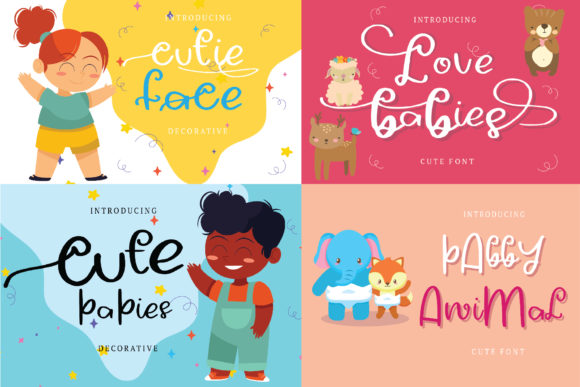
Cutie Face is a beautiful, bouncy, and whimsical handwritten font that brings a sense of playfulness and charm to any design. Its curves are soft yet deliberate, and its spacing feels natural, as if the letters were drawn by hand with care. It has a distinct personality—joyful, friendly, and slightly mischievous. This makes it perfect for projects that need a touch of warmth and character without being too formal.
I used it on a logo draft for a local bakery, and it worked wonders. The font added a sense of approachability and sweetness that aligned perfectly with the brand’s vibe. It’s not just about aesthetics—it’s about emotional connection. When you choose a font, you’re choosing how your audience will feel about your brand.
Testing Cutie Face in Real Branding Projects
To really understand a font, you have to use it in real-world scenarios. I placed Cutie Face on a packaging mockup for a handmade soap line and a social media layout for a creative studio. In both cases, it made the designs feel more personal and inviting.
On the packaging label, it stood out against a minimalist background, adding visual interest without overwhelming the design. On the social media layout, it helped create a cohesive look across different platforms. It’s versatile enough to work in a variety of contexts, from print to digital.
However, I noticed that it might not be the best choice for long body text or small sizes. When I tried using it in a product description section on a website, it became less legible at smaller sizes. That’s something to keep in mind if you’re planning to use it for extended text or in tight spaces.
Font Pairing and Design Flexibility
Cutie Face works well with a range of other fonts, depending on the desired effect. For a more modern look, pairing it with a clean sans serif like Montserrat or Roboto creates a nice contrast. If you want to maintain a playful tone, combining it with another script or handwritten font can enhance the whimsical feel.
It also pairs beautifully with serif fonts for a balanced aesthetic. I used it alongside a classic serif font in a brand board for a skincare line, and the combination felt both elegant and approachable. The key is to find a balance that supports the overall message of the brand.
One thing I appreciated was the included styles and alternates. They gave me more options to experiment with, which is especially useful when designing logos or headers. The ligatures and swashes add an extra layer of personality without making the font feel cluttered.
When to Use and When to Avoid Cutie Face
Cutie Face is best suited for display purposes—logos, headlines, short phrases, and decorative elements. It shines in areas where you want to make an impression rather than convey a lot of information. It’s ideal for branding projects that aim to feel warm, friendly, and engaging.
That said, it’s not the best choice for long body text, corporate branding, or formal settings. If you’re working on a project that requires clarity and professionalism, you might want to reserve Cutie Face for accents or highlights. It’s also worth noting that its bouncy nature might not translate well to certain color schemes or backgrounds.
Testing the font in different contexts is crucial. I recommend experimenting with it in a variety of applications before committing to it for a client project. It’s easy to fall in love with a font, but it’s important to ensure it meets the practical needs of the design.
Commercial Use and Licensing Considerations
Before using Cutie Face in client work, always check the commercial licensing terms. Some fonts come with restrictions on usage, especially for print-on-demand products, websites, or templates. Ensuring you have the proper license is essential, especially if you’re working on a brand identity or packaging design that may involve multiple formats.
Also, consider the file formats available. If you’re working on web design, having access to webfont versions is a big plus. It ensures the font looks consistent across different devices and browsers, which is especially important for social media graphics and online content.
Overall, Cutie Face is a great addition to any designer’s toolkit. It adds a unique personality to your work and can help elevate your brand’s visual appeal. Whether you’re designing a logo, a social media post, or a packaging mockup, this font has the potential to make your designs stand out in a positive way.