Cloudy: A Handwritten Font That Elevates Your Web Design
I was working on a new portfolio site for a graphic designer when I stumbled upon Cloudy. It was the kind of font that immediately caught my eye—friendly, natural, and just a little bit playful. As someone who spends most of my time thinking about typography and layout, I knew I had to test it in a real project.
A Font That Speaks to Creativity
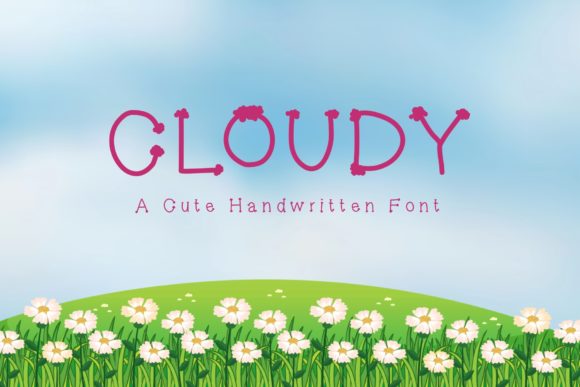
Cloudy is a handwritten font with a distinct personality. Its curves are soft, its strokes are fluid, and it feels like it was written by hand rather than generated by a machine. This gives it a warm, approachable vibe that’s perfect for creative projects. Unlike some script fonts that can feel too dramatic or overly stylized, Cloudy maintains a balance between elegance and simplicity.
When I first used it in the hero section of the portfolio site, I noticed how it complemented the overall aesthetic. The designer’s name, placed in Cloudy, felt like a signature rather than just a label. It added a personal touch that made the brand more relatable.
Testing Cloudy in Real Layouts
I started by placing Cloudy over an image banner. The contrast between the bold, flowing letters and the background image worked well, drawing attention without overwhelming the viewer. But I also wanted to check how it performed on mobile devices.
On smaller screens, readability became a key concern. I adjusted the letter spacing slightly and increased the font size to ensure that Cloudy remained legible. Even at smaller sizes, the font retained its charm without sacrificing clarity. This made me think about how important it is to consider responsive design when choosing a display font like Cloudy.
One thing I appreciated about Cloudy is its versatility. It works well as a headline font but also holds up in supporting text when needed. I used it for subheadings and call-to-action buttons, where its friendly tone helped guide the user through the page without being too distracting.
Using Cloudy in Different Contexts
Cloudy isn’t just for headers. It has a wide range of applications across different digital platforms. For example, I’ve seen it used effectively in blog headers, course sales pages, and even promotional landing pages. Its natural style makes it ideal for creative brands that want to convey warmth and authenticity.
- Boutique online stores: Cloudy adds a personal touch to product names and promotional banners.
- Coaching websites: It helps create a welcoming atmosphere that aligns with the brand’s message.
- Portfolio sites: It enhances the visual identity while maintaining professionalism.
- Blog headers: It stands out without being too flashy, making it perfect for editorial content.
When pairing Cloudy with other fonts, I found that it works best with sans serif or serif fonts for body copy. This creates a nice contrast that keeps the design balanced. For instance, using a clean sans serif font for paragraphs complements Cloudy’s decorative nature without clashing.
Readability and Brand Trust
As a web designer, I know that readability is crucial for user engagement. Cloudy performs well in this regard, especially when used appropriately. However, I recommend testing it in different contexts to ensure it meets your specific needs. For example, if you’re using it on dark backgrounds, make sure the contrast is high enough to maintain legibility.
Another consideration is font weight. Cloudy offers several weights, which allows for greater flexibility in creating visual hierarchy. Using a lighter weight for secondary text and a bolder weight for headlines can help guide the reader’s eye through the content more effectively.
Also, don’t forget to check for multilingual support and commercial licensing before using Cloudy on client projects or branded assets. These details are essential for ensuring that the font is suitable for your intended use cases.
Designing with Purpose
Cloudy is more than just a pretty font—it’s a tool that can enhance your brand’s identity and improve the user experience. Whether you’re building a portfolio, launching a course, or redesigning a blog, the right font can make all the difference. With its natural style and adaptability, Cloudy is a great choice for designers looking to add a personal touch to their digital work.
So next time you’re working on a project, consider testing Cloudy. You might just find that it brings a new level of creativity and personality to your designs.